Working at height is a crucial aspect of many industries, yet it comes with significant risks. According to the Health and Safety Executive (HSE), falls from height cause around 40% of fatal workplace accidents. This statistic highlights the urgent need for effective safety measures. To address these dangers, understanding how to improve safety when working at height is essential for every employer.
Renowned safety expert Dr. John Smith emphasizes, "Taking preventive steps can save lives." His insights underscore the importance of adopting best practices to reduce hazards. Implementing proper training, using appropriate equipment, and conducting regular safety assessments can significantly decrease risks. However, many workers and employers still overlook these fundamental aspects. A lack of awareness can lead to avoidable accidents and serious injuries.
Every organization must prioritize height safety to create a secure working environment. There is no room for complacency. By actively addressing safety concerns, we not only protect our workforce but also enhance overall productivity. Continuous commitment to safety is the cornerstone of success in any industry involving work at height.
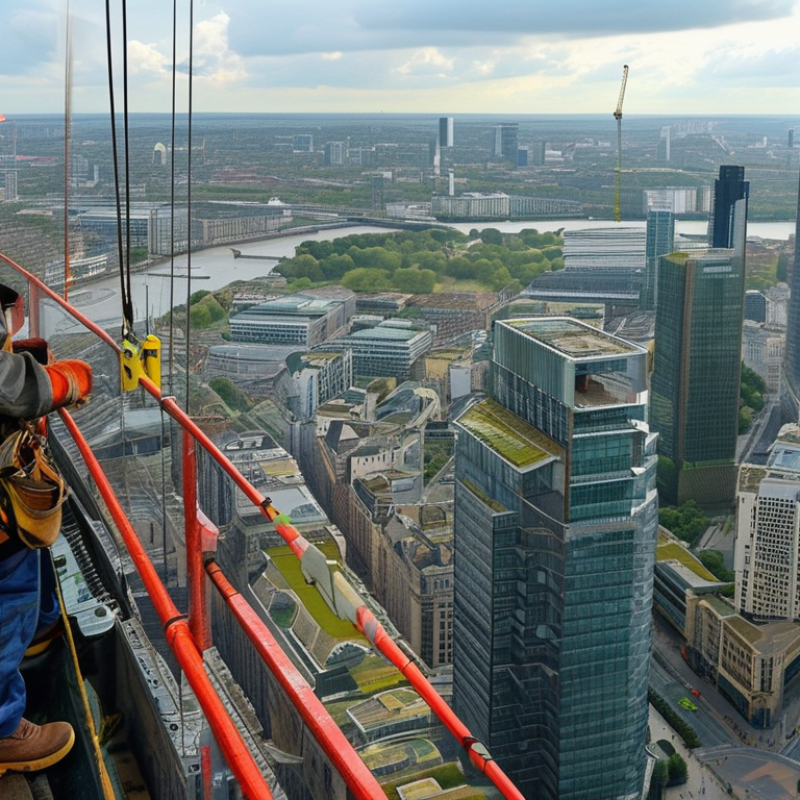
Working at height poses significant risks that can lead to serious injuries or fatalities. Understanding these risks is crucial for anyone involved in such activities. Falls are a leading cause of workplace injuries. Adequate training, equipment, and safety measures can minimize these dangers.
One tip is to always use guardrails when possible. These act as a physical barrier to prevent falls. Inspect all equipment before use. A piece of faulty gear can lead to accidents. Always secure ladders or scaffolds properly to ensure stability. Having a safety harness is essential when working at extreme heights.
Another effective approach is conducting regular safety audits. This identifies potential hazards in the work environment. Ensure that all workers are aware of emergency procedures. Knowledge of how to respond can save lives. Lastly, encourage open communication. Workers should feel comfortable reporting unsafe conditions. Being proactive can prevent accidents from occurring.
| Tip Number | Safety Tip | Description | Importance |
|---|---|---|---|
| 1 | Use Proper Personal Protective Equipment (PPE) | Ensure that all workers at height wear helmets, harnesses, and other protective gear. | High - Protects against falls and impacts. |
| 2 | Conduct Regular Risk Assessments | Identify potential hazards before work begins and assess their risks. | Critical - Helps in proactive hazard management. |
| 3 | Ensure Proper Training | All workers should be trained on working at height safety protocols. | Essential - Reduces the chance of accidents. |
| 4 | Use Ladders and Scaffolding Properly | Follow guidelines for the safe use of ladders and scaffolding. | Very Important - Prevents falls and injuries. |
| 5 | Maintain a Clean Work Area | Remove debris and obstacles from the work area to reduce trip hazards. | Important - Enhances overall safety. |
| 6 | Inspect Equipment Regularly | Ensure all equipment used at height is in good working condition. | Critical - Avoids equipment failure during work. |
| 7 | Establish Emergency Procedures | Plan for potential accidents with clear emergency protocols. | Essential - Ensures quick response to incidents. |
| 8 | Utilize Safety Nets | Install safety nets where falls could occur. | Highly Recommended - Provides a safety barrier. |
| 9 | Monitor Weather Conditions | Check weather reports and suspend work in high winds or storms. | Important - Reduces risk of adverse weather accidents. |
| 10 | Communicate Clearly | Establish clear communication protocols among team members. | Essential - Prevents misunderstandings and errors. |
: PPE is crucial because falls from height cause over 30% of workplace fatalities. Proper equipment reduces injury risks.
A well-fitted harness is vital. It secures workers during slips or balance loss. Regular inspection for wear is key.
Helmets can reduce severe head injuries by up to 85%. They protect against head trauma from falling objects.
Slip-resistant shoes with ankle support are essential. Many workers underestimate their role in preventing falls.
Regular inspections should be a priority. Look for wear, corrosion, or damage to prevent serious accidents.
Training helps workers identify issues in fall protection systems. They need to understand component limits for safety.
Effective communication is critical. Workers should report concerns immediately to foster a proactive safety culture.
Keeping detailed records of inspections ensures accountability and helps track the fall protection system's history.
Regularly reviewing inspection reports can reveal patterns. This leads to improvements in safety at height practices.
Workers should feel comfortable voicing problems. A supportive environment aids in addressing safety concerns actively.
Working at height presents significant risks, making it crucial to understand how to improve safety when working at height. The first step is recognizing the associated hazards, which can lead to serious accidents if not properly managed. Implementing essential personal protective equipment (PPE) is vital for safeguarding workers, while effective safety training and educational programs ensure that employees are aware of the risks and know how to handle them appropriately.
In addition to training, it is essential to adopt best practices for inspecting and maintaining fall protection systems, ensuring they function correctly and meet safety standards. Finally, creating a comprehensive safety plan tailored to specific work environments will provide guidelines and protocols for safely conducting height-related tasks. Together, these strategies form a robust framework for enhancing safety and preventing incidents in height-related work activities.

 Anugenix Lift