Choosing the right aerial work platform is crucial for project success. In recent years, the demand for these platforms has surged, with surveys indicating a 25% increase in usage across various industries. However, navigating the options can be complicated. Understanding "how to choose the right aerial work platform for your project" involves assessing specific project needs and selecting the appropriate equipment based on those criteria.
Industry reports emphasize that equipment failures can lead to costly downtime. Approximately 20% of projects suffer delays due to improper platform selection. Safety must also be a priority; platforms correctly matched to tasks reduce the risk of accidents. Many users fail to consider height, load capacity, and terrain, leading to inefficiencies. These factors are often overlooked, yet they are vital for optimal performance.
Making informed decisions requires experience and a solid understanding of different aerial work platforms. Equipment specialists recommend evaluating the specific job requirements. This ensures the chosen platform meets the necessary standards. By prioritizing safety and efficiency, you can enhance your project outcomes and minimize risks.
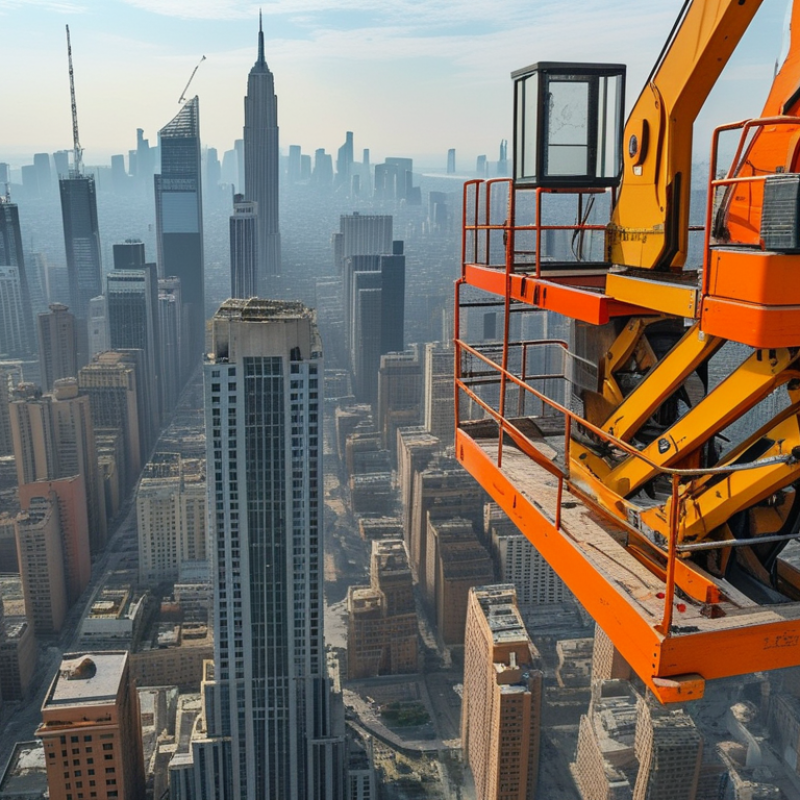
Understanding the Different Types of Aerial Work Platforms Available
Aerial work platforms (AWPs) are crucial for many construction and maintenance projects. Understanding the various types available helps choose the right one. The options include scissor lifts, boom lifts, and vertical mast lifts, each designed for specific tasks. According to the 2022 Aerial Work Platform Market Report, the demand for AWPs is projected to grow significantly, driven by increasing construction activities globally.
When selecting an AWP, consider your project's height requirements. Scissor lifts work well for vertical access, while boom lifts offer outreach capabilities. The report indicates that boom lifts are preferred in challenging environments, such as uneven terrains. Knowing your job site conditions is vital.
Another key factor is the platform's weight capacity. Different models support varying loads, impacting safety and efficiency. Ensure you assess the combined weight of the workers and equipment. This could prevent critical oversights. Also, think about the power source—electric models are quieter but may have limited battery life, while diesel models offer better mobility on rugged sites.
Choosing the right AWP can be overwhelming, but evaluating your specific needs can simplify this task. By critically examining these factors, you can select a suitable platform that enhances your project's success.
Assessing the Specific Requirements of Your Project
When selecting the right aerial work platform, understanding your project's specific requirements is vital. Different projects have varying heights, load capacities, and working environments. According to a report by the American National Standards Institute (ANSI), knowing the exact height needed can prevent accidents and inefficiencies, as over 30% of aerial work platform accidents occur due to improper usage or tool selection.
Consider the surface and space where you will operate. For instance, rough terrain may require a more robust platform. The Occupational Safety and Health Administration (OSHA) states that platforms must be stable in their environment, as a third of all falls from heights result from unstable setups. This highlights the importance of assessing ground conditions and site access, especially for outdoor projects.
Lastly, ensure the chosen platform meets the load requirements. Research indicates that improper load handling contributes to a significant number of workplace injuries. Knowing the weight of materials and personnel is crucial. If not properly accounted for, it can lead to equipment failure, putting workers at risk. Always weigh your options carefully; even small details can have severe consequences.
Evaluating the Weight Capacity and Reach of Aerial Platforms
When selecting an aerial work platform, evaluating weight capacity and reach is paramount. Studies indicate that over 60% of aerial platform accidents stem from exceeding weight limits. Manufacturers typically provide a rating based on dynamic loading. Therefore, understanding the actual weight of equipment and personnel is critical. An underrated factor is the combined weight during operation, including tools and materials.
Reach is equally essential. Aerial platforms vary significantly in vertical and horizontal reach. For instance, a typical scissor lift may have a maximum height of around 40 feet. However, some telescopic boom lifts can reach heights of up to 85 feet. The working envelope of a lift directly impacts the project's efficiency and safety. Hence, it's crucial to assess the site and determine reach requirements before making a decision.
Moreover, consider the operating terrain. Rough or uneven surfaces affect platform stability and load distribution. Data shows that using platforms on suitable terrain reduces risk and enhances performance. Failing to evaluate these critical factors can lead to project delays or accidents. Proper assessment can reflect the reliability and effectiveness of the aerial platform in meeting project demands.
Considering Safety Features and Compliance Standards
When selecting an aerial work platform, safety features and compliance standards are paramount. Understanding these aspects can prevent accidents and ensure a smooth operation. According to the Occupational Safety and Health Administration (OSHA), falls are the leading cause of fatalities in the construction industry. Hence, ensuring your platform meets specific safety regulations can save lives and resources.
Prioritize platforms equipped with guardrails, harness anchorage points, and emergency lowering systems. This can significantly enhance worker safety. In a survey by the American National Standards Institute (ANSI), nearly 70% of accidents could have been avoided with proper equipment. Familiarize yourself with local compliance standards, as they can vary widely. Each platform should also adhere to the American National Standards for Aerial Work Platforms.
Evaluate the platform’s weight capacity and terrain suitability. Choose a platform that can handle the load and environment required for your project. Keep in mind the importance of stability features, especially on uneven surfaces. Not all platforms are equipped for rough terrain. Always consider the limitations that may come with specific models. This reflection can help avoid costly mistakes in your project timeline and budget.
Budgeting for Aerial Work Platforms: Costs and Rental Options
When planning for aerial work platforms, budgeting is crucial. Costs can vary widely based on type, size, and duration of use. It's essential to analyze your needs carefully to avoid unexpected expenses. Many businesses overlook rental options that can significantly reduce upfront costs. Short-term projects often benefit from rentals rather than purchasing equipment outright.
Consider the type of work you'll perform. Different aerial platforms serve various purposes. For example, scissor lifts work best for vertical jobs, while boom lifts provide extended reach. Evaluate the project's specifics to select the right model. This choice can directly impact safety and efficiency, so avoid hasty decisions.
Also, always look for hidden costs beyond the rental fee. Delivery, insurance, and maintenance are often overlooked. These can add up quickly, skewing your budget. Many companies underestimate these additional expenses, leading to financial strain. Analyze each factor carefully to create a realistic budget that accommodates all potential costs.
FAQS
: Assess your project's height, load capacity, and environment. Each factor impacts safety and efficiency.
Operating on rough terrain may require a more stable and robust platform to prevent accidents.
Exceeding weight limits can lead to accidents. Always know the actual weight of personnel and materials.
The working envelope impacts how effectively you can complete a task. Ensure it meets your project needs.
Look for guardrails, harness anchorage, and emergency lowering systems for enhanced worker safety.
Adhering to safety regulations prevents accidents and ensures the smooth operation of the equipment.
Uneven surfaces can lead to instability. It's critical to assess the terrain before deploying a platform.
Ignoring these limits can cause equipment failure, resulting in injuries and project delays.
Not all platforms are equipped to handle tough conditions. Reflect on these limitations before selecting.
Proper assessment of equipment requirements and site conditions is essential to meet safety and project goals.
Conclusion
When considering how to choose the right aerial work platform for your project, it's essential to start by understanding the different types available, such as scissor lifts and boom lifts, each designed for specific applications. Assessing your project's requirements, including the height needed and the workspace restrictions, will guide your selection process.
Next, evaluating the weight capacity and reach of the platforms is crucial to ensure they can safely handle the load and reach the necessary heights for your tasks. Additionally, safety features and compliance with local regulations should be prioritized to protect workers. Finally, budgeting for aerial work platforms involves understanding the costs associated with purchase and rental options, allowing you to make a financially sound decision while meeting your project’s needs.

 Anugenix Lift