Access equipment plays a critical role in various industries, ensuring workers can perform tasks safely at height. However, safety concerns often arise due to inappropriate usage or lack of adherence to regulations. In China, understanding what safety standards apply to access equipment is essential for maintaining safety and reliability on job sites.
The Chinese government has established comprehensive safety standards for access equipment, including design, testing, and operational guidelines. These standards aim to minimize risks and enhance the safety of users, but compliance can sometimes be overlooked. Many companies may struggle with proper training and equipment maintenance, leading to potential hazards.
Proper implementation of these safety standards is crucial. It ensures that access equipment functions effectively and protects workers from accidents. Companies must regularly review their practices and identify shortcomings. They should strive for adherence to safety norms not just as a legal obligation but as a commitment to worker safety and wellbeing. Awareness and continuous improvement are vital to uphold these standards.
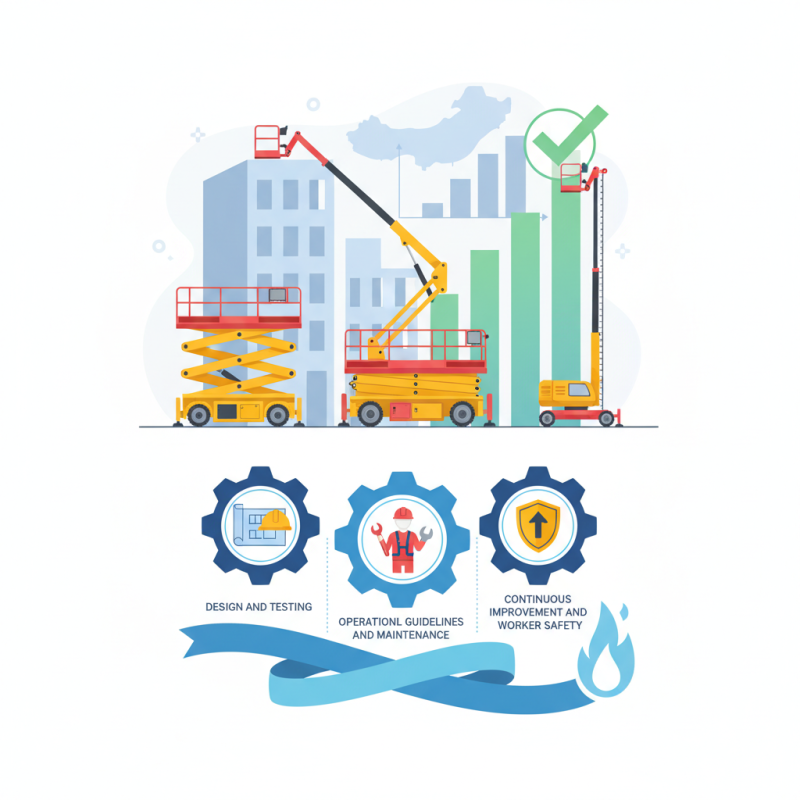
Access equipment safety standards in China play a pivotal role in ensuring worker safety. These standards cover various types of equipment, from aerial lifts to scaffolding. Compliance with safety regulations is not optional; it is essential for preventing accidents. Equipment must undergo regular inspections to ensure it meets safety requirements. Proper training for operators is also mandated, emphasizing the importance of knowledge in safe equipment use.
In practice, adherence to these standards can often be challenging. Some operators may overlook maintenance schedules. This lack of diligence can lead to equipment failure and accidents. Additionally, not all workers receive adequate training or awareness on safety protocols. Continuous education and training adjustments are necessary. Industry stakeholders must reflect critically on current practices. Improvements can always be made to enhance safety culture in workplaces. By focusing on these areas, the industry can move towards better compliance with safety standards.
In China, access equipment safety is governed by various regulatory bodies. The Ministry of Emergency Management (MEM) plays a crucial role. They enforce standards to ensure worker safety. This includes equipment used in construction and maintenance. Their guidelines are vital in preventing accidents.
Another significant authority is the Standardization Administration of China (SAC). They develop national standards for equipment safety. These standards focus on design, manufacturing, and usage. Compliance with SAC regulations is essential. Non-compliance can lead to serious consequences, such as injuries.
Local government agencies also regulate access equipment. They conduct inspections and evaluations. However, the effectiveness of these inspections can vary. Some companies may not adhere to all safety protocols. This inconsistency raises concerns. Safety training for workers is often overlooked. Continuous education is crucial in the field. Access equipment should not only meet standards; it must be used correctly.
Safety regulations for scaffolding and lifting equipment are crucial in China. These regulations ensure worker safety and prevent accidents on construction sites. Regular inspections and maintenance of this equipment are mandatory. These steps help to identify potential hazards early.
Scaffolding must be designed according to specific load capacities. Workers should receive proper training on safe usage. This training includes recognizing risks and understanding correct installation methods. Many workers overlook the importance of safety gear. Personal protective equipment is vital, yet often neglected.
Lifting equipment, such as cranes, also requires strict adherence to safety standards. Operators must be certified and skilled. Improper use can lead to catastrophic incidents. Documentation of equipment inspections should be kept and reviewed regularly. Reflecting on these practices can improve overall safety measures.
| Standard Type | Applicable Equipment | Main Regulation Points | Compliance Authority |
|---|---|---|---|
| GB 4037-2008 | Scaffolding | Design loads, materials used, construction requirements. | Ministry of Housing and Urban-Rural Development |
| GB 6067.1-2000 | Lifting Equipment | Safety performance, loading capacity, maintenance requirements. | State Administration of Work Safety |
| GB 24440-2009 | Mobile Scaffolding | Stability, braking systems, ground conditions. | Ministry of Transport |
| GB/T 40593-2020 | Lifting Platforms | Electrical safety, overload protection, user training. | Quality Supervision Administration |
| GB 50009-2012 | Building Structures | Loading considerations, structural integrity tests, installation guidelines. | National Standardization Management Committee |
In China, the safety standards for access equipment are critical for ensuring worker protection. Testing and certification processes play a vital role in maintaining these standards. Equipment undergoes rigorous evaluations to check its structural integrity, stability, and safety features. This process often involves both laboratory testing and field assessments. Each piece of equipment must demonstrate it can withstand various loads and environmental conditions.
Certification requires compliance with national regulations and industry best practices. Independent organizations typically conduct these assessments to offer credibility. They also provide guidelines on regular maintenance and inspections. These steps help prevent accidents caused by equipment failure. Yet, some access equipment may still lack sufficient testing, raising concerns about reliability. Inconsistent adherence to standards can lead to unsafe practices. This inconsistency highlights the need for ongoing training and awareness among users to enhance safety.
Access equipment safety standards in China have evolved significantly. Recent developments highlight improvements, but challenges remain. According to a report by the China Construction Machinery Association, over 30% of access equipment accidents are attributed to inadequate safety measures. This statistic underscores the urgency for stricter regulations and consistent enforcement.
One notable advancement is the introduction of new testing protocols. These standards ensure that equipment can sustain varying loads without failure. However, manufacturers face hurdles. A study found that 40% of local companies struggle to meet these updated standards due to a lack of technical expertise and resources. Improving training programs can address this issue.
Despite progress, the lack of uniform implementation of safety standards across provinces is concerning. Data from the Ministry of Emergency Management reveals inconsistencies in inspections. Some regions perform well, while others lag far behind. This disparity poses risks, especially in high-demand urban areas. Therefore, a collective effort among authorities and industry stakeholders is essential to create a safer environment for all users.
: These standards ensure worker safety and cover equipment like aerial lifts and scaffolding.
Compliance prevents accidents and protects workers from potential hazards on-site.
Regular inspections are mandatory to ensure equipment meets safety requirements and is functioning properly.
Operators must undergo proper training to ensure they understand safe equipment use.
Some operators may overlook maintenance, leading to equipment failures and accidents.
Continuous education and training are necessary to enhance understanding of safety protocols.
Personal protective equipment is vital for worker safety but is often neglected.
Scaffolding must meet specific load capacities to ensure safety during use.
Operators must be certified and skilled, as improper use can result in serious incidents.
Inspection records should be kept and reviewed regularly to improve safety measures.
Access equipment safety standards in China are crucial for ensuring the safety and reliability of scaffolding and lifting equipment used on construction sites. Key regulatory bodies oversee these standards, establishing major safety regulations that manufacturers and operators must follow. These regulations encompass various aspects such as design, maintenance, and operational practices.
When considering "what safety standards apply to access equipment," it is essential to understand the testing and certification processes that ensure compliance with these regulations. Recent developments highlight ongoing challenges, including the need for updates to standards to address emerging technologies and practices in the industry. Overall, maintaining stringent safety standards is vital for protecting personnel and enhancing operational efficiency in construction environments in China.

Anugenix Lift