How to Maintain Lifting Equipment for Longevity and Safety?

Time:2026-05-03 Author:Aria
0%

Maintaining lifting equipment for longevity and safety is crucial for any operation. According to industry expert John Smith, “Regular checks can prevent accidents and extend machinery life.” His insight emphasizes the importance of diligence in this field.

Lifting equipment faces constant wear and tear. Regular maintenance not only enhances safety but also ensures efficient operation. For example, checking cables for fraying or inspecting hoists for rust are simple yet effective practices. Each inspection lays the groundwork for long-term use.

However, maintenance can be overlooked. Many operators assume that equipment will function reliably without regular checks. This mindset can lead to costly failures. Creating a routine maintenance schedule is vital, as it positions safety as a priority. Embracing the right habits leads to a sustainable approach in learning how to maintain lifting equipment for long term use.

How to Maintain Lifting Equipment for Longevity and Safety?

Identifying the Types of Lifting Equipment Requiring Maintenance

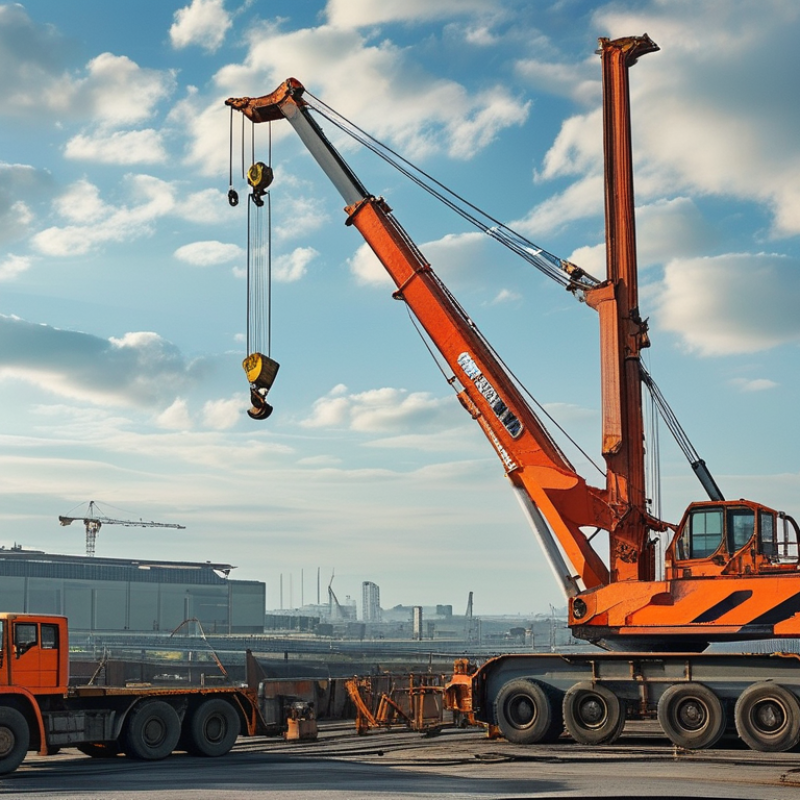
Lifting equipment comes in various types, and each requires careful attention to ensure safety and longevity. Common types include hoists, cranes, and forklifts. Each piece has specific needs and maintenance schedules. Inspecting these machines regularly can prevent accidents. Look for wear and tear, rust, or any operational issues.

Routine checks should not be overlooked. For example, a crane’s ropes and hooks should be examined for fraying or damage. Forklifts need regular maintenance of brakes and battery levels. Neglecting these aspects can lead to costly repairs and pose safety risks. Consider the operational environment as well; exposure to harsh conditions can accelerate wear.

Maintaining lifting equipment isn’t just about following guidelines. It requires a commitment to safety. Even experienced operators can overlook critical details. They might miss subtle signs of malfunction. Regular training on equipment upkeep is essential. This ensures operators are aware of potential issues. Keeping a detailed manual for each type of equipment can aid significantly.

Understanding the Importance of Regular Inspections and Assessments

Regular inspections and assessments are crucial for lifting equipment. Every piece of equipment needs a routine check. Ignoring this can lead to costly mistakes. Scheduled evaluations help spot wear and tear. This can prevent accidents before they happen.

Assessments should look at all components. Cables, pulleys, and attachment points deserve focus. Small issues may indicate larger problems. Visual inspections are just the start. Measuring performance metrics can provide essential insights. Equipment functionality must meet safety guidelines.

Keeping a detailed log enhances reliability. Recording findings allows for trend analysis. This data can inform future maintenance. Workers need training to understand inspection processes. Knowledge about potential hazards builds a safer work environment. Over time, this practice fosters a culture of safety.

Implementing Effective Cleaning Procedures for Lifting Equipment

Effective cleaning procedures for lifting equipment are crucial for safety and longevity. Regular cleaning helps prevent buildup that can harm mechanisms. A study by the American National Standards Institute (ANSI) notes that proper maintenance can extend equipment lifespan by up to 30%. That's a significant saving.

Begin with a routine schedule. Cleaning should occur after every use, particularly in harsh environments. Focus on areas where grime accumulates, like hooks and chains. Use appropriate biodegradable detergents to remove grease without damaging equipment. According to OSHA, dry cleaning methods reduce risk of injury.

It's important to inspect while cleaning. Look for signs of wear and tear. Ignoring small issues can lead to failure. A report from the National Safety Council highlights that 70% of equipment failures result from inadequate maintenance. This statistic emphasizes the need for vigilance. Maintain logs of cleaning and inspections. Tracking these efforts creates accountability and supports safety audits. Regular reviews of these logs can reveal patterns that need attention.

Maintenance of Lifting Equipment: Frequency of Cleaning Procedures

This chart illustrates the frequency of cleaning procedures for lifting equipment, highlighting the importance of regular maintenance to ensure longevity and safety. Daily and weekly cleaning is essential for optimal performance.

Utilizing Proper Lubrication Techniques for Gear and Mechanisms

Proper lubrication techniques are vital for the longevity and safety of lifting equipment. Many organizations overlook routine maintenance, risking safety hazards and equipment failure. According to a study by the American Society of Mechanical Engineers, improper lubrication can lead to a 40% increase in wear, causing significant downtime.

To ensure optimal performance, use high-quality lubricants specifically designed for gears and mechanisms. Aim for a consistent application method. A common mistake is applying too much lubricant. This can attract debris, which harms mechanical parts. Keep a regular schedule for checking lubricant levels. Equipment should not run on low lubrication, which accelerates wear.

Regular monitoring can identify potential issues early. Listen for unusual noises, as they could indicate insufficient lubrication. An industry report indicated that 30% of equipment failures stem from inadequate lubrication practices. Adopting effective lubrication techniques can significantly reduce repair costs and increase safety measures. Regular checks and adjustments can make a noticeable difference over time.

How to Maintain Lifting Equipment for Longevity and Safety? - Utilizing Proper Lubrication Techniques for Gear and Mechanisms

Maintenance Aspect Description Frequency Lubrication Method Safety Tips
Gear Inspection Check for wear, damage, and proper alignment of gears. Monthly Apply gear oil as per manufacturer's specifications. Ensure equipment is powered off before inspection.
Mechanical Component Lubrication Lubricate moving parts to reduce friction. Every 500 hours of operation Use a lubricant spray for hard-to-reach areas. Wear safety gloves and goggles during application.
Cable and Wire Check Inspect cables for frays or wear that could lead to failure. Every 3 months Lightly lubricate cables as recommended by the manufacturer. Keep hands dry and avoid contact with moving parts.
Cleaning Remove dirt, dust, and debris that can impact performance. Weekly Use Non-abrasive cleaning agents. Disconnect power during cleaning to avoid accidents.
Load Testing Verify equipment can handle the required loads safely. Annually No lubrication needed during load testing. Use certified load tests and appropriate safety gear.

Training Personnel on Safe Operation and Maintenance Practices

Training personnel on safe operation and maintenance practices is crucial for lifting equipment longevity. Employees must understand both the equipment and their roles. They should actively participate in training sessions, covering daily inspections and identifying potential hazards.

Tips for effective training include hands-on demonstrations. These can reinforce theory and allow staff to engage directly with the equipment. Encourage team discussions. Sharing experiences can highlight common issues and foster problem-solving skills among the crew.

Regular refresher courses are essential. They keep safety standards fresh and relevant, especially in a changing work environment. Monitor training effectiveness through assessments. Evaluate knowledge retention and address any gaps. This continuous improvement approach can significantly enhance workplace safety and operational efficiency.

FAQS

: Why are regular inspections important for lifting equipment?

: Regular inspections help identify wear and tear, preventing costly failures and accidents.

What should be included in equipment assessments?

Assessments should examine cables, pulleys, and attachment points for any signs of wear.

How can detailed logs enhance equipment reliability?

Keeping detailed logs allows for trend analysis and informs future maintenance decisions.

How often should lifting equipment be cleaned?

Cleaning should occur after every use, especially in harsh environments, to prevent buildup.

What is a common mistake in lubrication practices?

Many apply too much lubricant, attracting debris that can harm mechanical parts.

What can adequate maintenance prevent?

Proper maintenance can prevent 70% of equipment failures according to industry reports.

How do workers benefit from training on inspections?

Training helps workers recognize potential hazards and promotes a safer work environment.

What should be used for cleaning lifting equipment?

Biodegradable detergents are ideal for removing grease without damaging equipment.

How can unusual noises indicate problems?

Unusual noises could signal insufficient lubrication and should be investigated promptly.

Why is a routine cleaning schedule crucial?

Regular cleaning prevents grime buildup that can harm equipment mechanisms and safety.

Conclusion

Maintaining lifting equipment for long-term use is crucial for ensuring both safety and efficiency in operations. The first step involves identifying the types of lifting equipment that require regular maintenance, which includes cranes, hoists, and forklifts, among others. Understanding the importance of regular inspections and assessments can help detect potential issues before they escalate, thereby reducing the risk of accidents.

Effective cleaning procedures play a significant role in preserving equipment functionality, while proper lubrication techniques are essential for ensuring that gears and mechanisms operate smoothly. Additionally, training personnel on safe operation and maintenance practices fosters a culture of safety and responsibility, further extending the lifespan of the equipment. By following these guidelines, organizations can effectively learn how to maintain lifting equipment for long-term use, enhancing operational reliability and workplace safety.

Aria

Aria

Aria is a dedicated marketing professional with a deep passion for innovative strategies and a keen understanding of our company's product offerings. With a wealth of experience in the industry, Aria excels at crafting engaging content that highlights the unique features and benefits of our......