In elevated work environments, the stakes are significantly higher. Risk management becomes essential for ensuring safety and productivity. Experts highlight the necessity of being vigilant. John Smith, a safety management consultant, asserts, “Proper risk management can save lives and enhance performance in high-altitude tasks.” His insights stress a proactive approach.
Understanding how to manage risks in elevated work environments is vital. Hazards such as falls or equipment failure can have serious consequences. It is crucial to identify potential threats and implement effective strategies. Too often, workers overlook the importance of training. Regular drills and safety meetings can reinforce best practices.
Moreover, risk management requires continuous evaluation. Teams must analyze past incidents to improve future protocols. Reflecting on these experiences can uncover gaps in safety measures. Each mistake provides a lesson. Emphasizing safety culture is key. Without commitment, risks will always linger.
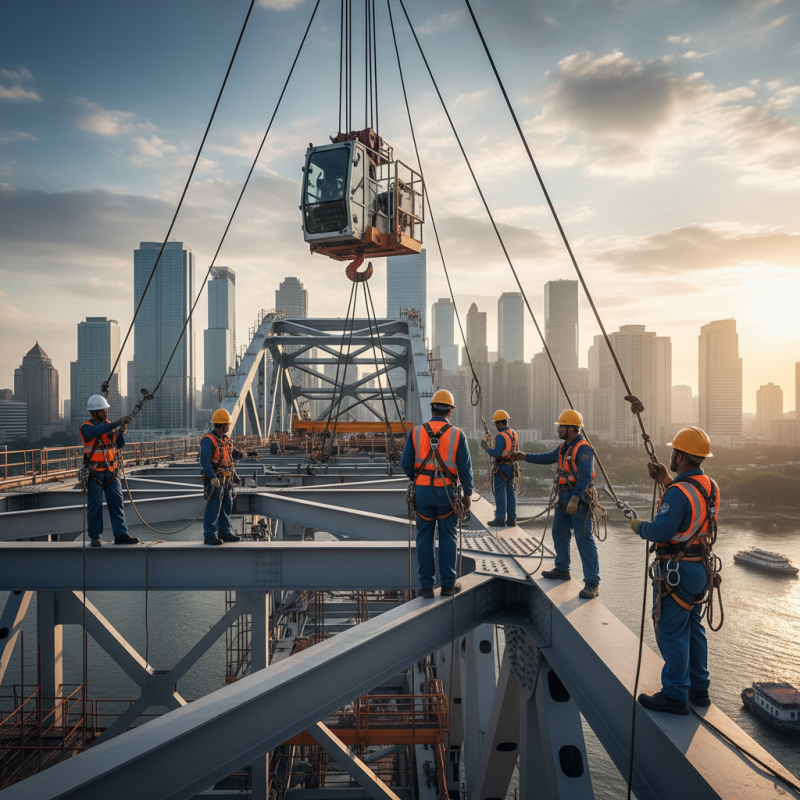
Elevated work environments are crucial across various industries such as construction, manufacturing, and maintenance. According to a report by the Occupational Safety and Health Administration (OSHA), falls from heights account for nearly 32% of construction-related deaths. These statistics highlight the importance of risk management in safeguarding workers.
In manufacturing, elevated platforms are common. A study by the National Institute for Occupational Safety and Health (NIOSH) found that almost 50% of workplace injuries involve falls. Companies need to prioritize training and usage of safety gear. Regular safety audits are essential to ensure compliance with industry standards.
In maintenance roles, working on rooftops or tall structures poses significant risks. The American Society of Safety Professionals (ASSP) emphasizes that systematic risk assessments can reduce injury rates. Yet, many organizations still overlook the implementation of comprehensive safety protocols. This negligence leads to preventable accidents, underscoring two critical gaps: the need for constant vigilance and the necessity of evolving safety practices. Such inconsistencies can cost lives and impact overall productivity.
Working at heights presents unique challenges. Workers face multiple dangers, including falling objects and unstable surfaces. These risks are amplified in elevated environments. Proper training and equipment are vital in mitigating these hazards.
Many organizations overlook the importance of specialized training. Workers need to understand how to use safety gear properly. Regular drills can prepare them for emergencies. Equipment checks ensure that tools are functioning as intended. The risk of equipment failure can lead to catastrophic consequences.
Communication among team members is essential. Miscommunication can result in dangerous situations. Establishing clear signals and protocols can enhance safety. Regular risk assessments help identify new dangers. A proactive approach fosters a culture of safety and collaboration. Working safely at heights is a shared responsibility that requires ongoing attention.
This chart illustrates the severity of unique risks associated with elevated work environments, highlighting key factors such as fall hazards and weather conditions, which require effective risk management strategies to ensure worker safety.
In elevated work environments, effective risk management is essential. One key component is hazard identification. Thorough inspections help recognize potential threats, like falling objects. Workers need training on spotting these hazards. This can prevent accidents before they occur.
Another critical strategy is proper safety equipment. Personal protective gear should be suitable for the specific tasks at hand. For example, hard hats are vital for head protection. Regular checks on this equipment ensure functionality. However, reliance solely on gear is not the solution. Workers must remain vigilant and aware of their surroundings.
Emergency response planning is also fundamental. Teams should conduct drills regularly. This helps everyone understand their roles in a crisis. Sadly, some organizations overlook these simulations, leading to poor readiness. Continuously reviewing and updating these plans is necessary. Programs need to adapt to new challenges and environments. Risk management is an ongoing process requiring commitment and reflection.
| Risk Factor | Description | Impact Level | Mitigation Strategy |
|---|---|---|---|
| Fall Hazards | Risk of falling from heights due to unstable surfaces or lack of guardrails. | High | Installation of guardrails and fall arrest systems. |
| Weather Conditions | Adverse weather such as rain, wind, or snow affecting work safety. | Medium | Monitor weather conditions and halt work in unsafe situations. |
| Equipment Failure | Risk of machinery or tools failing leading to accidents. | High | Regular maintenance and inspections of equipment. |
| Inadequate Training | Workers not properly trained for elevated work risks. | High | Comprehensive training programs and certifications. |
| Poor Communication | Lack of clear communication among team members can lead to accidents. | Medium | Implementing consistent communication protocols and tools. |
In high-risk environments, safety measures are paramount. Every worker’s life depends on effective protocols. Regular training sessions are vital. Workers must understand the potential hazards surrounding them. This includes learning how to use safety equipment correctly. Visual aids, like clear signage, can further reinforce safety messages.
Another best practice is frequent risk assessments. These assessments help identify new hazards. They should be conducted routinely, not just when incidents occur. Engaging workers in this process can yield invaluable insights. They often have firsthand experience of risks in their work areas. Additionally, establishing a reporting system encourages open communication about potential dangers.
Monitoring compliance is equally essential. Random checks can help ensure that safety measures are followed. However, it is vital to foster a culture that values safety. Workers should feel empowered to speak up. It’s essential to remember that perfection in safety is a moving target. Acknowledging that gaps exist is the first step toward improvement. Embracing a mindset of continuous learning can greatly enhance safety in elevated work environments.
In elevated work environments, risks abound. Effective training is essential for managing these hazards. Workers must understand their surroundings and the potential dangers present. This knowledge is crucial for safe practices at heights.
Training programs should cover specific scenarios. Workers learn how to use safety equipment properly. They practice emergency procedures, preparing for unexpected situations. Real-life drills can unveil gaps in knowledge. These exercises foster a culture of safety and vigilance.
Awareness goes hand in hand with training. Regular briefings and updates keep safety top of mind. Workers need to communicate openly about their concerns. Sharing experiences can highlight overlooked risks. Organizations should value feedback to enhance safety measures continually. Addressing these issues is an ongoing process, not a one-time effort.
: Hazard identification is essential for recognizing potential threats, like falling objects.
Training helps workers spot hazards, which can prevent accidents before they happen.
Personal protective gear must be suitable for specific tasks and regularly checked for functionality.
No, workers must remain vigilant and aware of their surroundings, in addition to using gear.
Teams should conduct drills regularly to ensure everyone understands their roles during a crisis.
Some organizations overlook simulations, which can lead to poor preparedness in emergencies.
They identify new hazards and should be routine, not just in response to incidents.
Engaging them in risk assessments and establishing a reporting system can enhance safety protocols.
Monitoring compliance with safety measures and empowering workers to speak up creates a safer environment.
Acknowledging gaps and embracing a mindset of continuous learning can enhance safety efforts.
Effective risk management is essential in elevated work environments, where workers face unique hazards that can lead to serious incidents. These elevated spaces, common across various industries, require a comprehensive understanding of the specific risks involved, such as falls, equipment failures, and environmental conditions. To manage risks in elevated work environments, organizations must implement key components of effective risk management strategies, which include proper planning, hazard identification, and regular safety audits.
Additionally, best practices for safety measures should be established, emphasizing the importance of training and awareness among employees. By fostering a culture of safety and equipping workers with the necessary skills and knowledge, organizations can significantly mitigate risks associated with elevated workspaces. Ultimately, a proactive approach to risk management not only protects workers but also enhances operational efficiency and promotes a safer work environment.

Anugenix Lift