8 Tips for Choosing the Right Aerial Work Platform for Your Project?

Time:2026-04-01 Author:Liam
0%

Choosing the right aerial work platform for your project can make a significant difference. It's not just about height; it's about safety, efficiency, and logistics. When you learn how to choose the right aerial work platform for your project, you ensure better results. A platform that meets your needs enhances productivity and promotes worker safety.

Consider the terrain and workspace. Some projects may take place on uneven ground, requiring specialized platforms. The weight capacity matters too. Overloading can lead to dangerous accidents. Also, think about how often you'll use the platform. Purchasing might be an option for frequent use, while renting could be better for short-term projects. The choice should reflect practical usage over flashy features.

In making your decision, consult with experts. They can provide insights tailored to your specific needs. Don't overlook crucial details; they can significantly impact safety and performance. Ultimately, understanding your requirements is key. Reflect on past projects and how similar equipment performed. This experience will guide your choice effectively.
8 Tips for Choosing the Right Aerial Work Platform for Your Project?

Understanding the Different Types of Aerial Work Platforms Available

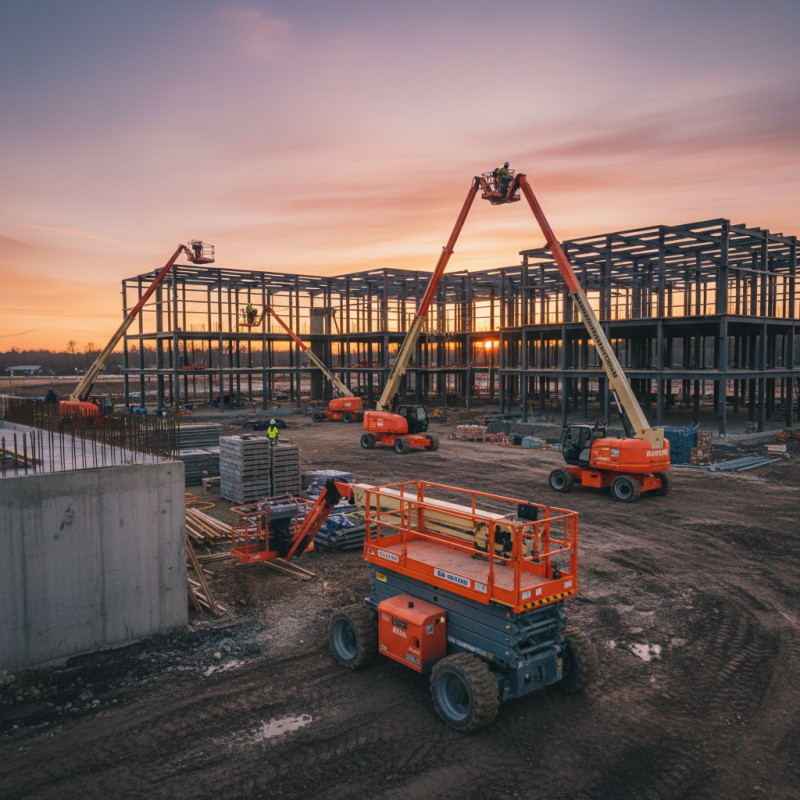
When selecting an aerial work platform (AWP), understanding the various types available is crucial. Aerial work platforms come in several categories, each designed for specific tasks. The four main types include scissor lifts, boom lifts, aerial lifts, and mast lifts. According to a market report by Research and Markets, the global aerial work platform market is projected to reach $12.5 billion by 2026, reflecting a steady demand for efficient lifting solutions across industries.

Scissor lifts are ideal for tasks that require vertical elevation. They provide height while maintaining stability. Most models can reach up to 50 feet. In contrast, boom lifts offer both vertical and horizontal reach, showcasing versatility on job sites. They can extend up to 180 feet, making them suitable for complex aerial tasks. Mast lifts are lighter and perfect for tight spaces, although their height typically caps around 30 feet. Understanding these differences ensures the right choice for your project’s specific needs.

Selecting the right AWP isn't always straightforward. Each type has its advantages and limitations. Mistakes in judgment can lead to safety hazards or inefficient operations. Regular training on these platforms is essential to minimize risks. Proper selection and usage not only enhance productivity but also ensure safety on site. Data shows that nearly 30% of workplace accidents are associated with improper equipment usage. Hence, making informed choices is crucial.

Assessing the Specific Height and Reach Requirements for Your Project

When selecting an aerial work platform, assessing the height and reach required for your project is crucial. Recent industry reports indicate that about 30% of aerial work platform accidents stem from improper usage due to misjudging these specifications. Understanding your project's specific needs can significantly reduce this risk.

For instance, if your task involves maintenance work on a commercial building, you might need a reach of at least 40 feet. According to the Bureau of Labor Statistics, most accidents occur at heights between 20 to 30 feet. This gap emphasizes the necessity of focusing on height requirements and ensuring that operators are trained to handle equipment at those heights.

Moreover, consider the workspace’s layout. A platform with adequate height may not suffice if it cannot navigate through tight areas or scaffolding. A report from the American National Standards Institute discusses how choosing the right equipment based on both vertical reach and horizontal outreach can prevent many logistical issues. Thus, always analyze how precision and suitability impact safety and operational efficiency in your project.

Evaluating the Load Capacity and Stability of the Aerial Work Platform

When selecting an aerial work platform, load capacity and stability are crucial factors. Load capacity refers to the maximum weight the platform can safely lift. A serious miscalculation can lead to accidents or equipment failure. According to a report by the Aerial Lift Association, around 40% of workplace accidents occur due to improper load management. This emphasizes the need for accurate assessments of weight limits.

Stability is equally important. An unstable platform can tip over, posing dangers to the operators and the crew below. Many aerial work platforms come with features like outriggers or extendable tracks to improve stability. Research shows that platforms with advanced stabilization systems reduce the risk of tipping by up to 30%. This data underlines the need for choosing features that enhance safety.

Consider the specific nature of your project. For heavy lifting, a platform with high load capability is essential. If working on uneven terrain, prioritize models with better stability features. Evaluate job site conditions carefully. An Aerial Work Platform with insufficient stability can lead to critical safety issues. A thorough analysis will help ensure both safety and efficiency in your operation.

Considering Terrain and Environment for Optimal Platform Selection

When selecting the right aerial work platform, the terrain and environment play critical roles. Different surfaces require different types of equipment. For instance, soft ground may necessitate a machine with wider tracks, while stable surfaces can accommodate standard tires. Evaluating the specific conditions is essential. Ignoring terrain can lead to accidents or equipment failure.

Weather conditions also impact your choice. Rain or snow can make surfaces slippery, requiring platforms with enhanced stabilization features. Consider elevation changes, too. Steep inclines may restrict certain platform types from operating safely. Using a platform not suited for the environment can result in delays, safety hazards, and even damage to the equipment.

The operating environment should dictate your platform selection. Indoor spaces may require lower profiles and maneuverability. Conversely, outdoor jobs often benefit from higher reach capabilities. Assessing factors like noise levels or potential obstacles should not be overlooked. The wrong choice can lead to inefficiencies and frustrations. Carefully weighing these elements is vital in ensuring a successful project.

8 Tips for Choosing the Right Aerial Work Platform for Your Project

Determining Budget and Rental Options for Aerial Work Platforms

When selecting an aerial work platform, understanding your budget and rental options is crucial. According to a recent industry report, the aerial work platform market is expected to grow significantly due to increasing construction activities, expected to reach $16 billion by 2025. This growth underscores the necessity to compare costs effectively.

Rental options provide flexibility, especially for short-term projects. Many companies offer daily, weekly, or monthly rentals. Examining these choices helps optimize expenses. Additionally, remember that maintenance and delivery fees can impact overall costs. Check whether these fees are included in the rental agreement.

It's essential to consider your project’s specific requirements. Are you working indoors or outdoors? What height is necessary? These factors directly influence your choice and budget. Some platforms may suit your tasks better than others. Ensuring the right fit is vital for project efficiency. Always review your needs carefully, as a mismatch can lead to delays and unexpected costs.

FAQS

: What are the main types of aerial work platforms?

: The main types are scissor lifts, boom lifts, aerial lifts, and mast lifts. Each serves specific tasks.

What is a scissor lift best used for?

Scissor lifts are ideal for vertical elevation and provide stability. They typically reach heights up to 50 feet.

When should a boom lift be used?

Use a boom lift for tasks requiring both vertical and horizontal reach, extending up to 180 feet for versatility.

What are mast lifts suitable for?

Mast lifts are lightweight and good for tight spaces but usually have a height limit of around 30 feet.

Why is proper selection of aerial work platforms important?

Incorrect choices can lead to safety hazards and inefficient operations. Understanding specific needs is crucial.

How can improper height assessment impact safety?

Misjudging height requirements can lead to accidents. About 30% of such incidents are due to improper usage.

What should be considered aside from height?

The layout of the workspace is important. Equipment must navigate tight areas or scaffolding effectively.

How often should operators receive training?

Regular training is essential to minimize risks. Well-trained operators reduce safety hazards while using aerial lifts.

What overall impact does equipment choice have on projects?

Proper equipment choice enhances productivity and safety, while poor selection can lead to logistical issues.

What role does precision play in choosing equipment?

Precision in selection affects both safety and efficiency. It’s important to analyze all project requirements closely.

Conclusion

When considering how to choose the right aerial work platform for your project, it's essential to understand the different types of platforms available. Each type offers unique advantages depending on the nature of your tasks, so familiarize yourself with options like scissor lifts, boom lifts, and vertical mast lifts. Next, assess the specific height and reach requirements of your project to ensure that the platform you select can safely access the work area.

In addition to height and reach, evaluating the load capacity and stability of the aerial work platform is crucial. Ensure that it can support the weight of both personnel and equipment. Additionally, consider the terrain and environment where the platform will be used, as this can affect not only safety but also the efficiency of your project. Lastly, determine your budget and explore rental options, as this will help you make an informed decision that aligns with your financial plan. By carefully considering these factors, you can choose the right aerial work platform for your project effectively.

Liam

Liam

Liam is a dedicated marketing professional with a profound expertise in the industry, where he excels at highlighting the unique advantages of our core products. With a keen understanding of market trends and consumer needs, Liam frequently updates our company’s professional blog, providing......